Thinking about a smaller-town pace without losing access to Fort Wayne? Decatur, the county seat of Adams County in northeast Indiana, gives you a compact, walkable core with daily essentials close to home and open country just beyond town limits. If you are renting now or casually browsing, this guide will help you picture daily life, understand commute realities, and see the housing styles you will actually find. You will also get tips on renting vs. buying and how to plan your next step with confidence. Let’s dive in.
What daily life feels like
Decatur runs at a slower, neighborly pace. In town, you can handle many errands within a short drive, and the county-seat layout keeps government and basic services close together. You will find local restaurants, small businesses, banks, and a traditional downtown that anchors community life.
For bigger shopping trips, many residents head to larger retail areas in the Fort Wayne region. Parks, playgrounds, and seasonal community events are typical for a town this size, along with a public library and municipal recreation spaces. Day to day, expect a practical routine with most needs met in town and wider options a short drive away.
Commuting and transportation
Driving is the primary way to get around. Public transit is limited in small northeast Indiana towns, and Decatur follows that pattern. Most commuters drive to jobs in Fort Wayne, nearby industrial parks, healthcare systems, schools, and local government.
If you work in Fort Wayne, plan on about 25 to 45 minutes depending on route and traffic. Verify your exact time by checking typical commute hours on Google Maps. Intercity bus and Amtrak options are found in larger hubs in the region, most commonly around Fort Wayne.
Everyday essentials
Groceries and retail
You can handle groceries, pharmacy needs, and basic shopping in town. For big-box stores and specialty retail, residents commonly make periodic trips to larger centers in the Fort Wayne area.
Healthcare access
Decatur has local healthcare resources that serve town and county residents, along with clinics and specialty providers in the broader region. For complex care, many households use the greater Fort Wayne medical network.
Schools and child services
Public schools serve Decatur and surrounding areas based on local district boundaries. For a neutral review of enrollment, programs, and results, consult Indiana Department of Education report cards and widely used parent resources. Always confirm current attendance zones directly with the district.
Housing options at a glance
Decatur’s housing reflects classic northeast Indiana patterns, with a strong mix of older homes in town and newer builds toward the edges:
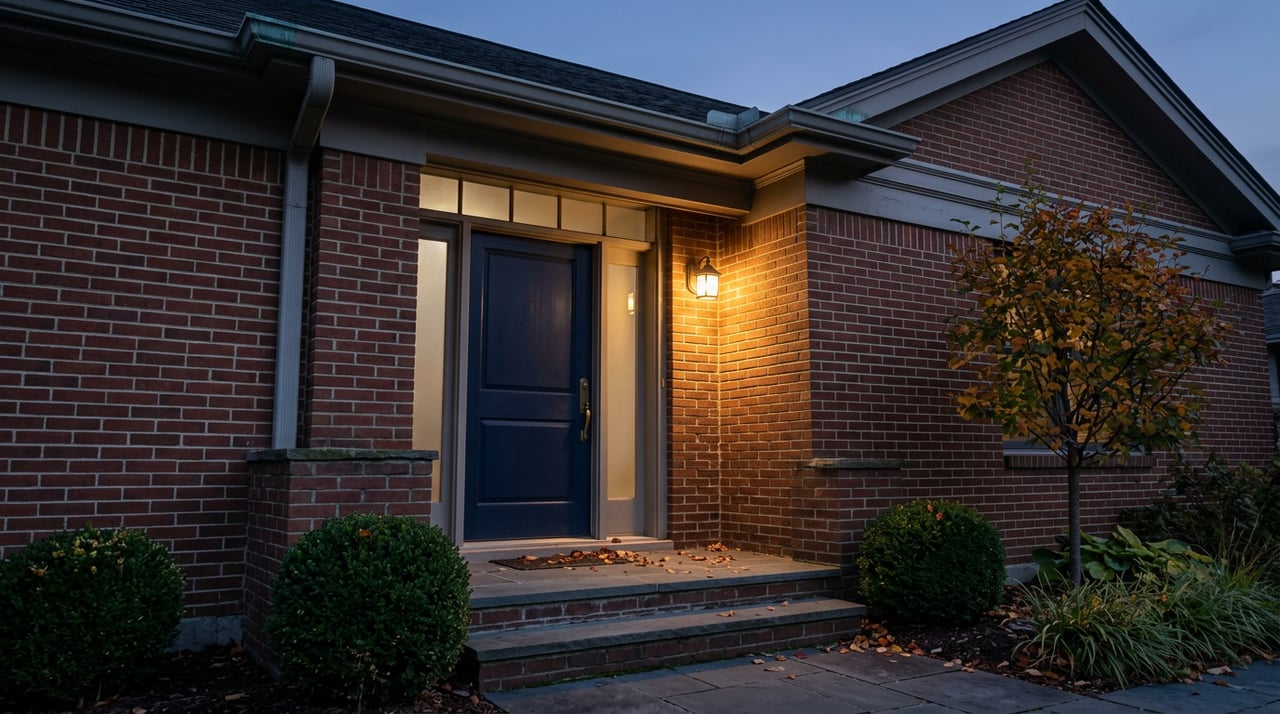
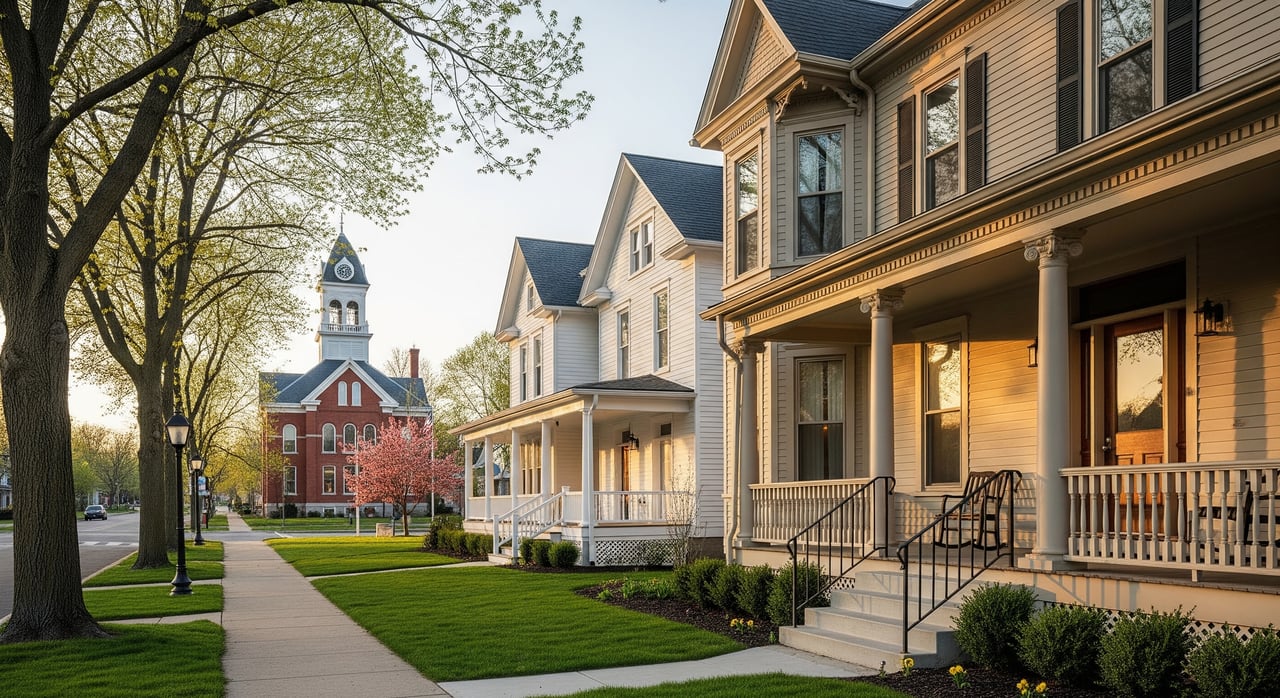
- Historic two-story homes near downtown, including vernacular Victorian and American Foursquare styles.
- Mid-century one-story ranches in established neighborhoods.
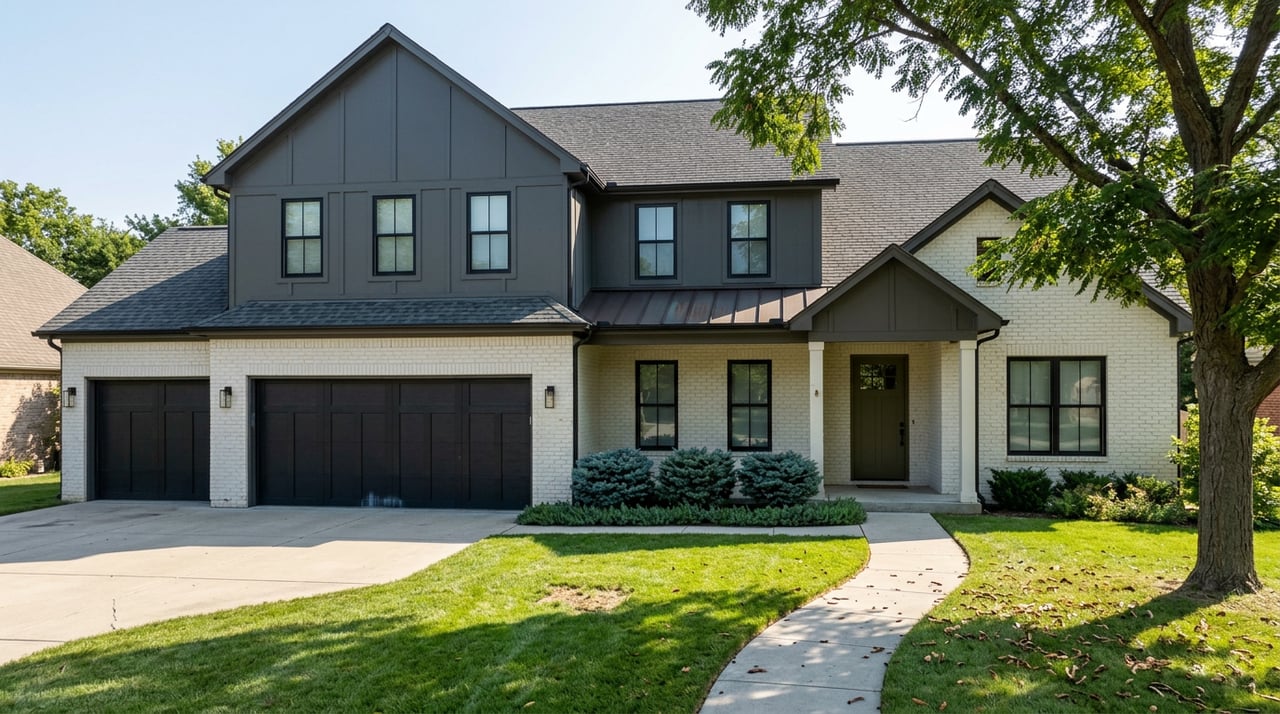
- Newer single-family homes on the edge of town with suburban-style layouts.
- Limited multifamily options, with some small duplexes and conversions.
- Rural township properties just outside town, including farmhouses and acreage.
Many in-town homes connect to municipal water and sewer, while rural properties typically use private well and septic systems. Rental options exist but are more modest than in larger cities.
Where to live in Decatur
In-town neighborhoods
- What you get: Walkable access to downtown services, established blocks, and older architecture with character.
- Considerations: Smaller lots, potential for ongoing maintenance and updates on older homes, street parking on some blocks.
Edge-of-town subdivisions
- What you get: Newer floor plans, garages, and room for outdoor living with quick access to main roads.
- Considerations: Car-dependent errands, HOA or neighborhood guidelines in some areas, newer trees and landscaping still maturing.
Rural township properties
- What you get: Space, privacy, and room for hobbies, outbuildings, or small-scale agriculture.
- Considerations: Longer drives, well and septic upkeep, and careful planning for internet speeds and service providers.
Renting vs. buying
If you are testing the area, renting can be a straightforward way to learn daily rhythms before committing. In small-town markets, rentals often include single-family houses and a limited number of apartments. Availability and pricing shift with the season and local job market, so start your search early.
Buying in Decatur can offer strong value compared to larger metro medians in northeast Indiana. Entry-level budgets often focus on older in-town homes that may need updates, while mid-range budgets tend to capture move-in-ready ranches or updated classics. Higher budgets open the door to newer construction or larger rural properties. Because conditions change quickly, ask for an appraisal-informed pricing snapshot before you shop so you know where value is today.
Utilities and internet
Inside town limits, many homes are served by municipal water and sewer. In rural areas, plan for private well and septic and budget for routine maintenance. Broadband coverage varies by location. Check current options and speeds through provider searches and official broadband maps, and verify service at the specific address before you make an offer.
Pros and trade-offs
Pros
- Small-town pace and community feel with a walkable core.
- Daily essentials in town and broader choices a short drive away.
- Diverse housing stock, from historic homes to newer builds and rural acreage.
Trade-offs
- Car-first commuting and limited public transit.
- Fewer large retail and entertainment options in town compared with Fort Wayne.
- Older housing may require ongoing updates and maintenance.
How we help you decide
Choosing the right home in Decatur is about fit, not just price. As a family-operated brokerage with appraisal-grade expertise, we help you compare homes apples-to-apples, weigh commute and utility factors, and understand how condition, location, and timing shape value. If you want clear guidance, local perspective, and precise pricing before you act, connect with Morken Real Estate Services, Inc. to get started.
FAQs
How long is the commute from Decatur to Fort Wayne?
- Most drivers see about 25 to 45 minutes depending on route and traffic; verify your exact time with a live check during typical commute hours.
What daily amenities are available in Decatur?
- You will find groceries, pharmacies, banks, dining, and municipal services in town, with larger retail and specialty shopping a short drive into the Fort Wayne area.
What types of homes are common in Decatur, IN?
- Expect older two-story homes near downtown, mid-century ranches in established areas, newer builds on the edges of town, and rural properties with acreage nearby.
Are rentals easy to find in Decatur?
- Rentals exist but the market is modest; you will see single-family houses and some apartments or duplexes, with availability and pricing changing seasonally.
What should I know about schools in Decatur?
- Decatur is served by local public schools with district-defined boundaries; review neutral sources like state report cards and confirm zones directly with the district.
Is public transit an option in Decatur, Indiana?
- Public transit is limited; most residents rely on personal vehicles for commuting and errands, with regional intercity options located in larger nearby hubs.
What utilities and internet should I expect in and around Decatur?
- Many in-town homes use municipal water and sewer, while rural homes rely on well and septic; broadband speeds and providers vary, so confirm service by address.
Does Decatur have healthcare facilities in town?
- Yes, local healthcare services are available in Decatur, with additional specialty and hospital options across the greater Fort Wayne region.
Is Decatur a good fit for investors?
- Investors often look at single-family rentals and small multifamily, balancing modest supply with lower holding costs and demand from commuters and local workers.