Thinking about trading city convenience for open skies and elbow room near Hoagland? Country living can be a great fit if you plan ahead for access, utilities, septic, and financing details that work a little differently outside city limits. You want a simple, local guide so you can move forward with confidence and avoid surprises. This overview breaks down what to check, who to call, and how to structure smart contingencies when you buy acreage or a hobby‑farm property around Hoagland in Madison Township, Allen County. Let’s dive in.
Know your jurisdiction and zoning
Hoagland sits in unincorporated Madison Township within Allen County, so zoning and permits are handled at the county level. The City of Fort Wayne and Allen County coordinate land use through the All‑In‑Allen comprehensive plan, which shapes future development patterns across the region. You can review that broader planning context in the county’s All‑In‑Allen comprehensive plan.
Before you make an offer, verify the parcel’s current zoning designation, permitted uses, and any pending changes with the Department of Planning Services. The county’s GIS viewer is your first stop for parcel-level details. Start with the Allen County DPS iMap at acimap.us, then call the planning office with specific questions about your intended uses.
If schools matter to your decision, confirm school assignment and bus routes directly with East Allen County Schools. Assignments can vary by address and route planning.
Roads, driveways, and emergency access
Not all rural roads are the same. Some are state routes, some are county or township maintained, and others are private. Plowing and maintenance responsibilities can differ by road type. Use county resources and ask the seller to confirm whether access is public or private and whether any road‑maintenance agreements or special assessments apply. The Allen County Highway Department outlines maintenance and permit contacts on its Highway Department page.
Driveways and culverts matter more than you might expect. In many cases, you are responsible for driveway surfacing, culvert installation or repair, and keeping a turning radius that allows emergency vehicles and delivery trucks to reach the home. Clarify who maintains the culvert opening at the road and whether you need a driveway permit for changes.
Finally, ask about emergency response. Rural areas can have longer response times compared with in‑city addresses. Check typical response patterns and the location of any nearby hydrants by contacting the local fire resources or the township trustee.
Utilities to verify early
Confirming utilities by exact address is one of the most important early steps. Do not assume urban services extend to your road.
Electric service
Multiple providers serve rural Allen County, including investor‑owned and cooperative utilities. The regional utility overview lists common providers for the Fort Wayne area. Co‑ops sometimes offer different interconnection, generator, or broadband options, so ask about service programs when you call.
Natural gas or propane
Some parcels have access to a natural gas main. Others rely on propane. Ask the gas utility if a main is available at your address and request a written estimate if line extensions are needed. If not available, talk with local propane suppliers about tank size, leasing, and delivery schedules.
Water and sewer
Most country properties near Hoagland use a private well and an onsite septic system. The Fort Wayne–Allen County Department of Health handles permitting and inspections for onsite sewage systems. Make septic and well inspections a standard purchase contingency and ask the seller for any prior permits or service records. For permitting guidance, review the county’s health and licensing information in the city’s resource guide under onsite sewage permits.
Broadband and telecom
Rural broadband varies by road and provider. Some REMCs and local ISPs have expanded high‑speed service in recent years. Check availability at your exact address before you commit to a work‑from‑home plan.
Trash and mail
Expect private trash collection contracts and rural route mail delivery or a local PO box. Confirm service options with area haulers and the township post office.
Septic, wells, and soils
Soil type, drainage, and siting all affect septic feasibility and the location of any replacement field. For a preliminary read, start with the USDA NRCS Web Soil Survey, then follow with an on‑site soil evaluation and a county health department septic review. Many new or replacement systems need a formal soil evaluation and a permit before work can begin.
Build your purchase offer around a septic and well contingency. Require a full septic inspection, water quality test, and well yield assessment. If records are missing, include the option to request a permit compliance plan or negotiate repairs.
Floodplain and drainage
Flood zones and wetlands influence insurance, permitting, and lender requirements. Use Allen County’s iMap to skim local overlays, then verify the parcel status at the FEMA Flood Map Service Center. Even if a site is not in a mapped special flood hazard area, walk the land after a rain if possible and look for low spots, tile outlets, and drainage paths that could affect building pads, driveways, or pasture areas.
Outbuildings and accessory uses
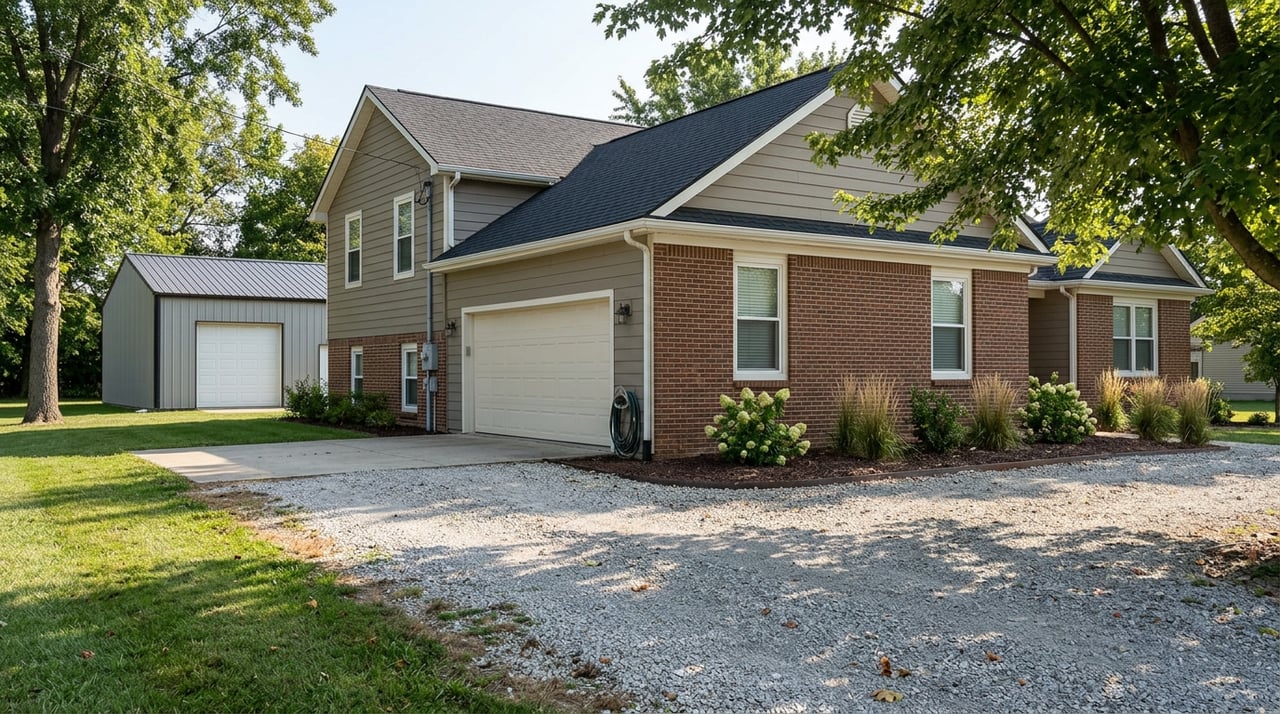
Barns, pole buildings, and other outbuildings are common on acreage. Many accessory structures require building permits, zoning clearance, and respect for setbacks and drainage rules. Before you buy, check the permit history for any existing outbuildings and verify electrical or plumbing work was inspected. For new construction or expansions, review requirements with the county and the building department. The county’s permit resources include forms and contacts for accessory structures on the Allen County Building Department page.
If you plan to add a shop, stable, or covered storage, ask about stormwater review, lot coverage limits, and driveway permits. Include inspections of outbuilding slabs, framing, and utility connections in your due diligence.
Easements, surveys, and taxes
A clean boundary survey and clear title are essential on acreage. Recorded easements can include utility lines, shared driveways, field tiles, or drainage ditches that shape how you can use the land. Order a boundary survey and a title commitment early and review all recorded documents before you finalize terms.
Check the parcel’s tax classification in the Allen County GIS and tax portal. Some working farms have agricultural classifications with specific use requirements. If you are not continuing a qualifying farm use, tax status may change after closing. Confirm current assessments and any agricultural designation through the county’s iMap at acimap.us.
Financing acreage and appraisals
Financing a home on acreage can differ from a typical suburban purchase. Lenders look at usable acreage, access, and the presence of barns, fencing, or income‑producing features. Some lenders prefer that most of the collateral value come from the residence rather than the land. Get a pre‑approval that specifies the property type and key features you intend to buy.
If you are buying a primary residence with acreage, options often include conventional loans or USDA Rural Development programs where the property and borrower qualify. If you plan to operate an income‑producing farm business, explore specialized ag options like Farm Credit or USDA Farm Service Agency programs. For a high‑level overview of FSA loan types and considerations, review this USDA FSA farm loan program overview, then speak directly with lenders about eligibility.
Appraisals on acreage weigh land use and outbuildings. A small hobby barn used for horses or storage is different from a property valued mainly for timber or crop income. Clarify how the lender and appraiser will classify the property so you can set realistic expectations on valuation and down payment.
Your due‑diligence checklist
Use this simple checklist to structure your offer and inspection period:
- Confirm zoning and permitted uses with Allen County DPS. Document your intended uses and any accessory structures you plan to add.
- Review the parcel in the Allen County DPS iMap for public water and sewer lines, flood zones, and recorded easements. Call the planning office with questions.
- Order a boundary survey and a title commitment. Review all recorded easements, rights‑of‑way, and restrictions.
- Add a septic and well contingency. Require a professional septic inspection and a well test for water quality and yield, and confirm permit history with the health department. See county guidance on onsite sewage permits.
- Run a preliminary soils check through the USDA NRCS Web Soil Survey, then schedule on‑site testing if needed.
- Verify electric, gas, and broadband availability at the exact address. Use the regional utility overview and call providers for written extension estimates.
- Confirm road ownership and maintenance, snow‑plowing, and culvert responsibility with the county or township. Review driveway permit requirements on the Highway Department page.
- Check FEMA flood maps for insurance and permitting impacts through the FEMA Flood Map Service Center. Ask county floodplain staff about any prior map changes.
- Verify permit history for existing barns or pole buildings and confirm setbacks and building requirements for any planned structures. Start with the Allen County Building Department.
- Obtain a lender pre‑approval that matches the property profile. If you plan an ag enterprise, discuss FSA or Farm Credit options and how they apply.
Local resources at a glance
- Allen County DPS iMap for zoning, flood overlays, and parcel data: acimap.us
- All‑In‑Allen plan for regional land use context: All‑In‑Allen comprehensive plan
- Highway Department for road and driveway guidance: Allen County Highway Department
- Health Department permitting for onsite sewage: Onsite sewage permits
- FEMA mapping: Flood Map Service Center
Buying country property is exciting, but the details matter. With the right checks and a clear plan, you can enjoy open space without guesswork. If you want a local advisor who understands valuation on acreage and how to structure clean contingencies, connect with Morken Real Estate Services, Inc. for a focused consultation.
FAQs
What zoning rules apply when buying near Hoagland?
- Hoagland parcels fall under Allen County’s zoning, so you should confirm permitted uses and setbacks with the Department of Planning Services and review parcel details in the county’s iMap at acimap.us.
How do I check if a Hoagland property is in a floodplain?
- Use Allen County’s iMap for a quick overlay, then verify the official status at the FEMA Flood Map Service Center and ask county staff about any prior map amendments.
Who maintains roads and culverts on rural Allen County properties?
- Maintenance depends on whether your road is state, county, township, or private, so confirm ownership and snow‑plow schedules with the Highway Department and clarify who maintains driveway culverts.
What inspections should I require for septic and well systems?
- Include a contingency for a full septic inspection, a well water quality test, and a well yield check, then verify permit history and requirements with the Fort Wayne–Allen County Department of Health.
How can I verify electric and gas service to a rural address?
- Start with the regional utility overview for common providers, then call by exact address to confirm availability and get written extension costs if mains are not adjacent.
What financing options work for homes with acreage?
- Many buyers use conventional or USDA Rural Development loans for primary residences on acreage, while income‑producing farm plans may point to specialized ag lenders or USDA FSA programs, so confirm with your lender early.