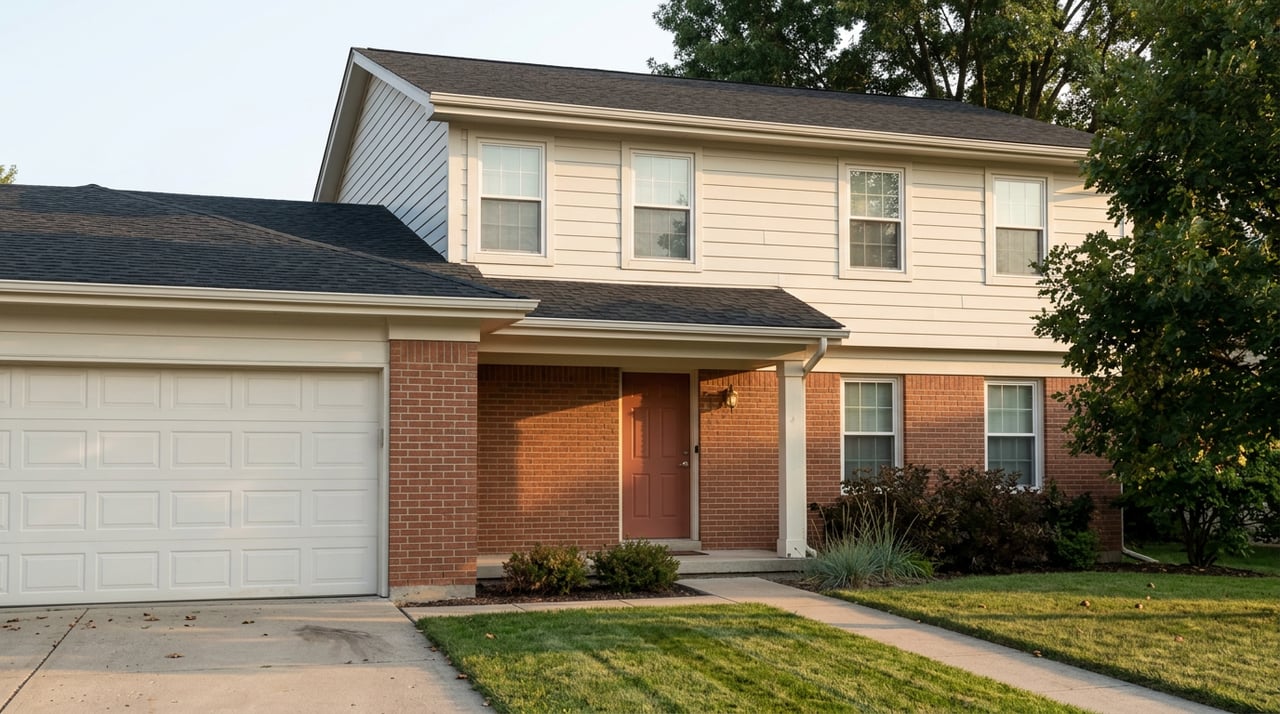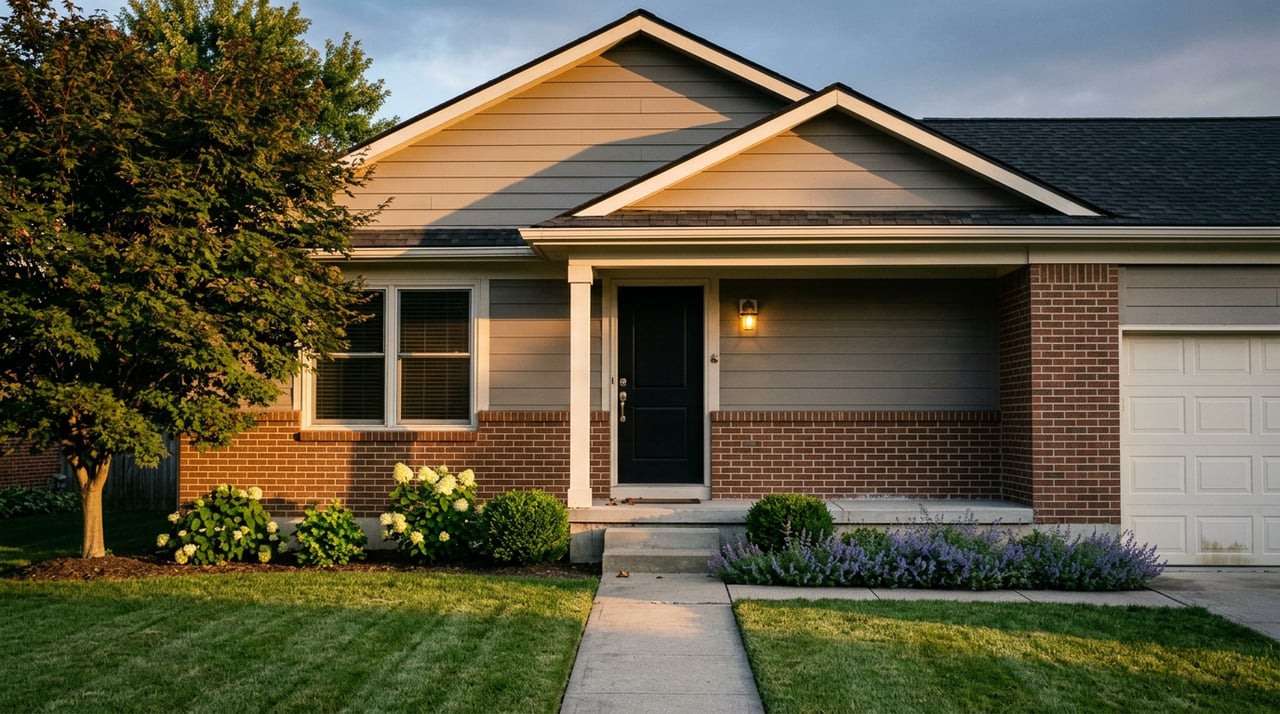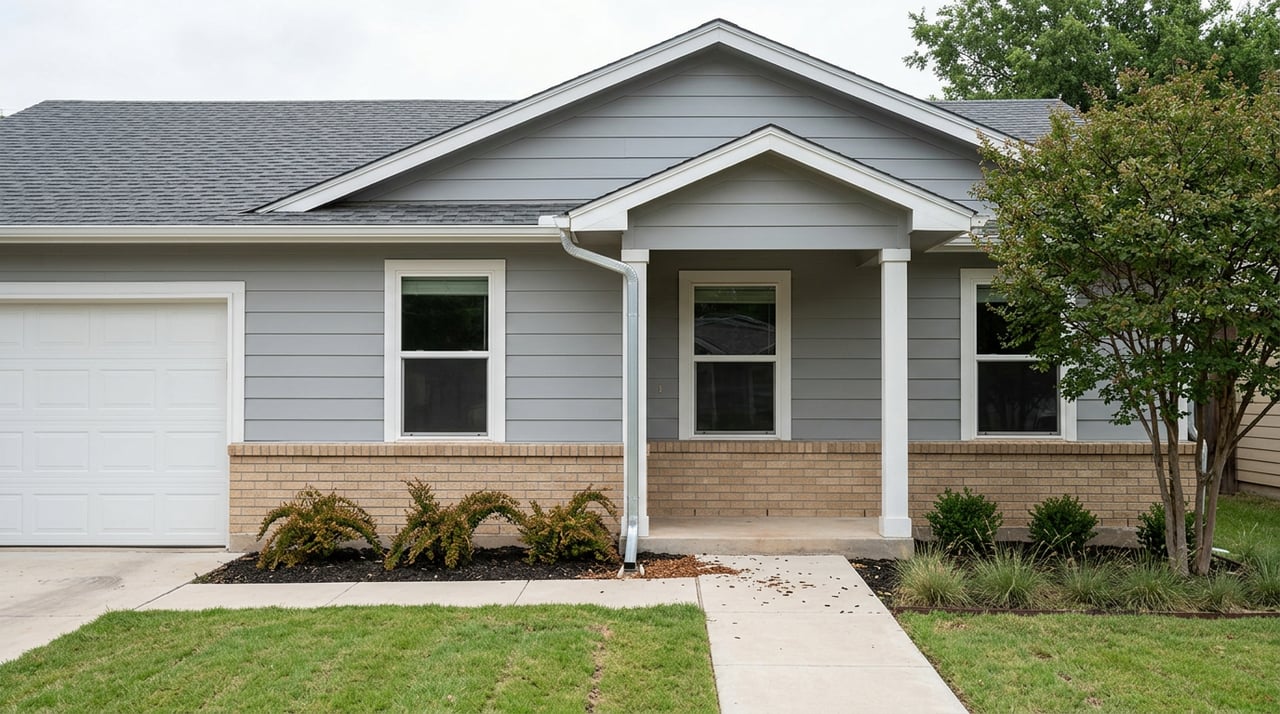
Ben Gresham grew up on Fox Avenue, on Fort Wayne's south side. When the city offered him a chance to build a house on a vacant lot at 2806 Fox Ave, an infill parcel that had sat empty for years, he told the local press it was a dream come true. He wasn't just building a house. He was building it on the street where he was raised, for a buyer who'd likely be a first-time homeowner priced out of most new construction in the city.
It's a good story. It's also a strange one if you stop to ask an obvious question: if the land was cheap enough that the city could basically give it away, why did it sit vacant for years before anyone tried this?
Cheap land was never the problem
Fort Wayne owns more than 200 vacant residential lots scattered through its established neighborhoods, land that's been empty long enough to end up back in city hands through tax delinquency, demolition, or abandonment. That land wasn't expensive to begin with. When the city launched its infill housing initiative, called A Lot to Love, it identified 29 of those lots for the pilot phase and discounted them to as little as $850 apiece, on parcels that had appraised for something in the $6,000 to $15,000 range.
If the land is already that cheap, cheap land can't be the reason nothing got built on it for years. Something else was keeping builders away, and the city said so plainly in its own launch materials: the initiative was designed to address "financial barriers that hinder infill housing development, including high development costs, appraisal gaps, and challenges with construction lending."
Two of those three barriers, high development costs and lending access, are the kind most people assume. The third one, the appraisal gap, is the one that actually explains why a builder would walk away from land that cost next to nothing.
The gap a bank appraisal creates
Here's the mechanism. Construction costs for a new single-family home don't change much based on which street you're building on. Lumber, labor, permits, and utility hookups cost roughly the same whether the lot sits next to a row of newly renovated homes or next to houses built in the 1940s and 1950s that never got a full remodel.
What does change block by block is the appraisal. When a bank orders an appraisal on a newly finished home, the appraiser has to compare it to recent sales nearby. In a neighborhood where the surrounding comps are decades-old homes that have been selling for well under what it costs to build new, the appraised value of a brand-new house can land tens of thousands of dollars below what it actually cost to construct. That shortfall doesn't disappear. Someone has to cover it, usually the builder, out of pocket, before the home ever closes.
That's the appraisal gap. It's the specific reason a lot that costs almost nothing to acquire can still be a bad bet for a small builder, because the real risk isn't in buying the land. It's in what happens after the house is framed, finished, and sent to an appraiser who has nothing but older comps to work with.
How the incentives actually line up
A Lot to Love doesn't just discount land. It stacks three tools against the three barriers the city named, and the land discount is really there to free up cash for the harder problem underneath it.
| Named barrier | Program tool | What it does |
|---|---|---|
| High development costs | Discounted city-owned lots, some priced near $850 against appraised values of $6,000 to $15,000 | Frees up a builder's capital for construction and the appraisal risk ahead |
| Appraisal gap | Appraisal Gap Financing through the Fort Wayne New Markets Revitalization Fund | Backfills the difference if the finished home appraises below what it cost to build |
| Construction lending access | Construction Lending Assistance and development subsidies | Reduces the up-front financing hurdle for small builders without institutional balance sheets |
The land discount matters less as a standalone perk and more as the first domino. Save a few thousand dollars on acquisition, and that money can cushion the appraisal shortfall a builder might otherwise have to absorb alone. Without the appraisal gap backstop, the discount on land wouldn't have been enough on its own to get shovels in the ground.
The response the city didn't expect
Kelly Lundberg, the city's deputy director of housing and neighborhood services, has been candid about how uncertain the pilot felt at the start. She's said the office expected two or three applications for the first round. It received 20.
"We really wanted to get these lots back on the tax rolls, get more housing built to build up the supply, but also rebuild our neighborhoods."
That gap between two or three expected applicants and twenty actual ones is its own piece of evidence for the thesis here. It wasn't that small-scale developers didn't want to build in these neighborhoods. It's that the appraisal math never worked until the city removed the part of the risk they couldn't control themselves.
By November 2025, the city reported that 27 of the original 29 pilot lots had been or were being transferred to new owners, with Gresham's Fox Avenue home and a second project on Smith Street, developed by Devin and Rachel McElveen, the first two to break ground. A second phase opened for applications in February 2026, offering another 29 project sites, this time including duplexes and townhouses alongside single-family homes. That update put the phase-one transfer count at 21 lots, with three homes under active construction and ten more slated to start in the months that followed. The exact count moved a bit between updates, which isn't unusual in a pilot this size as deals firm up or fall through, but the direction is consistent: land that sat untouched for years is now getting built on at a pace the city didn't originally plan for.
Not every buyer qualifies, and that's on purpose
The homebuyer track in this first phase is capped at households earning up to 120% of the area median income. That's a deliberate choice, aimed at what housing officials call the "missing middle," people who earn too much to qualify for most subsidized housing programs but still can't compete for a typical new-construction home at Fort Wayne market pricing.
Lundberg put it directly: "The reality is, somebody making 100% of AMI also needs an affordable product. We all need a housing product that is within our means."
If you're evaluating one of these homes as a buyer, that income structure is worth understanding before you fall in love with the floor plan. It shapes who's likely to be your neighbor, and it shapes how the home is priced relative to what a fully private, unsubsidized new build would cost on the same street.
What this means if you're comparing a new build to the house next door
If you're weighing a Lot to Love home against an older resale on the same block, or you already own a home near one of these projects, the appraisal gap mechanism is exactly what you should be thinking about, not the sale price alone.
A new home built through this program was made financially possible by a subsidy that offsets a gap the private market wouldn't close on its own. That doesn't make it a bad house or a bad buy. It does mean the price you see may not track typical new-construction cost per square foot elsewhere in Fort Wayne, because part of that cost was absorbed by the city rather than built into the sale price.
For your own financing, that also matters. If you're the one buying, your lender's appraisal will still lean on whatever comparable sales exist nearby at the time, and in a neighborhood with only a handful of these homes finished, that comp pool may still be dominated by older housing stock. If you already own the older home next door and you're hoping a shiny new build down the street will lift your own value overnight, be patient. Appraisers need a run of comparable closed sales before a new price point becomes the new normal for a block, not just one or two.
None of this is unique to Fort Wayne. Charles Marohn, president of the nonprofit Strong Towns, made a similar point during a stop at Purdue University Fort Wayne, arguing that cities have more tools than they realize to unlock small-scale infill housing without waiting on state or federal money. Fort Wayne's version of that argument happens to be playing out lot by lot, right now, on streets like Fox Avenue and Smith Street.
Quick Answers
How many A Lot to Love homes have actually been finished so far? As of the city's most recent public updates, several homes were under active construction from the pilot round, with more slated to start in the following months. Confirmed completed sales hadn't been published as of those updates, so anyone interested in a specific home should check directly with the city or the builder for current status.
Can I just buy one of the discounted lots myself and build later? No. The program requires residents to partner with a developer or builder before applying for a discounted lot or incentive funds. If you don't already have a builder relationship, the city points applicants toward the local Home Builders Association for help finding one.
Does the income limit follow the home if it's ever resold? The 120% AMI requirement governs eligibility for the initial homebuyer purchase under this phase of the program. If you're considering one of these homes, ask the builder directly whether any deed restrictions or resale conditions apply before you write an offer, since the specifics can vary by project.
If you're weighing a purchase near one of these infill sites, or you're trying to figure out what a scattered handful of new construction means for the value of a home you already own nearby, that's exactly the kind of question an appraisal-trained eye is built for. Daniel Morken has spent years reading Fort Wayne comps block by block, not just citywide, and can walk you through what a new build next door actually does, and doesn't, mean for your number. Request Your Home Valuation and get a straight answer before you guess.