If you are selling a higher-end home in Columbia City, you are not just listing another house on the market. You are positioning a property that may appeal to a narrower, more selective group of buyers who compare details carefully and expect a strong first impression. The good news is that with the right pricing, presentation, and preparation, you can put your home in the best position to stand out and sell with confidence. Let’s dive in.
Columbia City’s Premium Market Looks Different
Columbia City is a smaller, mostly owner-occupied market, with 10,256 residents and a 65.0% owner-occupied housing rate according to the U.S. Census Bureau. In Whitley County, the owner-occupied rate is even higher at 81.8%, which points to a market where many buyers are looking for a long-term fit rather than a quick move. That matters when you are selling a higher-end home because buyers at this level often take a more measured approach.
Local market snapshots also show that Columbia City is active. Realtor.com reports a median listing price of $284,900, about 66 homes for sale, a median 29 days on market, and homes selling at about 100% of asking price on average. The market is also labeled a seller’s market, which is helpful, but it does not mean every price point behaves the same way.
The higher-end tier is already clearly above the local median. Current 46725 listings include price points around $287,400, $318,450, $357,900, $374,900, and $495,000. That is why a premium home in Columbia City should be treated as its own market segment, not simply compared to the citywide average.
Pricing a Premium Home Takes More Precision
When sellers think about price, it is easy to look at broad averages, nearby listings, or online estimates. For a higher-end or custom home, that shortcut can create problems. In a smaller market like Columbia City, the right comparable sales may be fewer and harder to find.
Fannie Mae’s appraisal guidance explains that comparable sales should match the property’s physical and legal characteristics as closely as possible. If a home is unique or direct comparables are limited, the appraiser may need to expand the search area, use older but better indicators of value, and make well-supported adjustments. That framework fits many premium homes in Columbia City, especially if your property has custom finishes, a larger lot, distinctive architecture, or a less common setting.
What the Right Pricing Question Looks Like
The key question is not just, “What did homes nearby sell for?” A better question is, “Which homes truly compete with mine in size, condition, finish level, lot type, and location?” That is a much stronger way to price a home that does not fit neatly into the average neighborhood mold.
This is where appraisal-level thinking can make a real difference. If you price too high without support, buyers may hesitate and the listing can lose momentum. If you price too low because you relied on generic averages, you risk leaving money on the table.
Tax Assessment Is Not the Same as Market Price
Some sellers look at their property tax assessment and assume it should line up with market value. In Indiana, that is not always the case. The state’s assessment system uses market value-in-use and annual trending based on local sales data, so assessed value and current market value can be related without being identical.
Indiana also uses property tax caps of 1% for homesteads, 2% for other residential and agricultural land, and 3% for other real and personal property. Those caps can help keep tax bills more predictable, but they do not set market price and they do not change the local tax rate. If your higher-end home is worth more than the assessor’s number suggests, that does not automatically mean the market will reject your list price.
Presentation Matters More at the Top End
Higher-end buyers usually expect more than a clean house and a few photos. They want to understand what makes your home different and why it deserves its price point. In a premium sale, the home needs to be presented as a distinctive product with a clear value story.
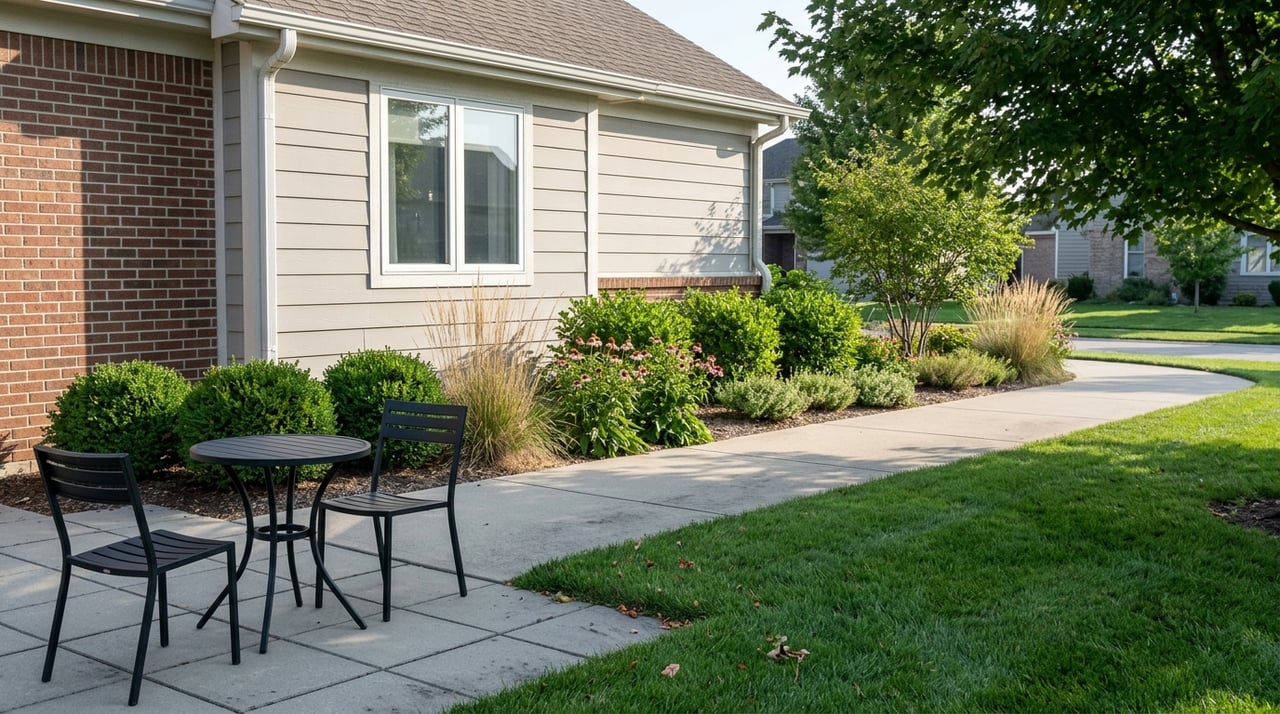
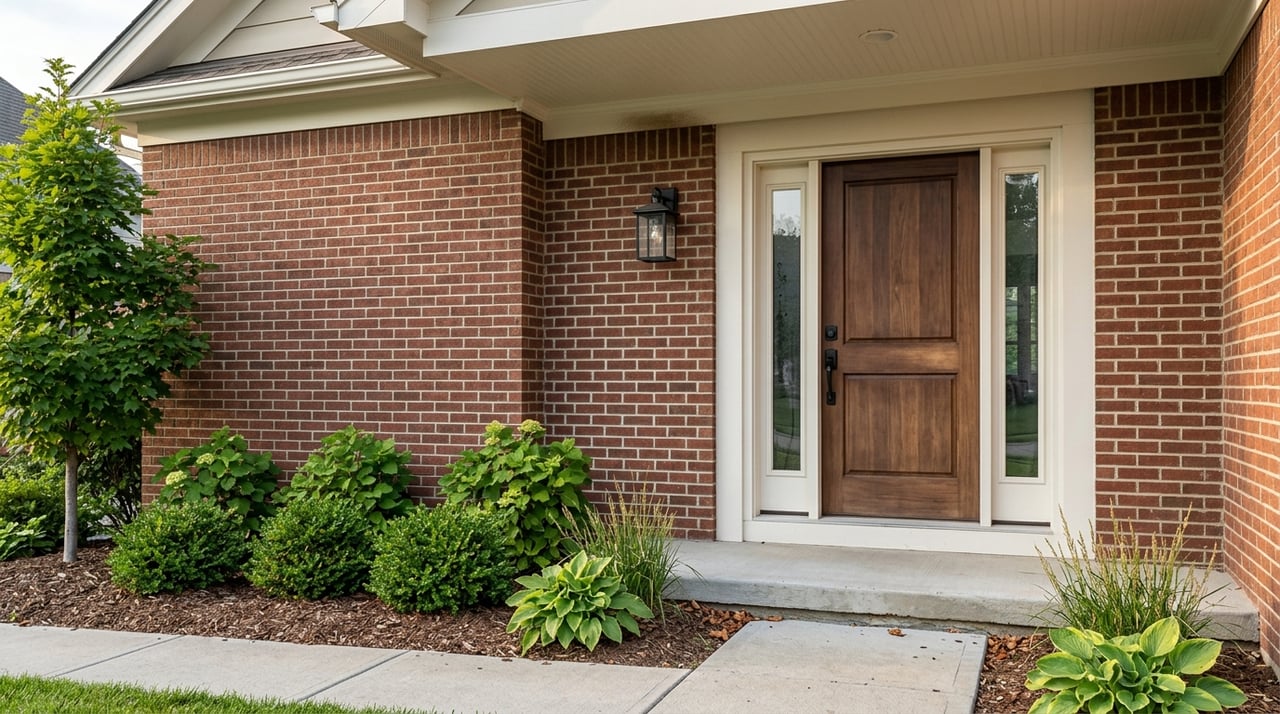
That starts with the basics. The National Association of Realtors reported in 2025 that the most common seller recommendations were decluttering, cleaning the whole home, and improving curb appeal. Those simple steps can help buyers focus on the home itself instead of distractions.
Staging Can Support Value
The same 2025 NAR staging report found that 29% of agents said staging increased the dollar value offered by 1% to 10%. It also found that 30% reported slight reductions in time on market and 19% reported significant reductions. While every property is different, that data supports the idea that thoughtful presentation can help your home look more competitive and market-ready.
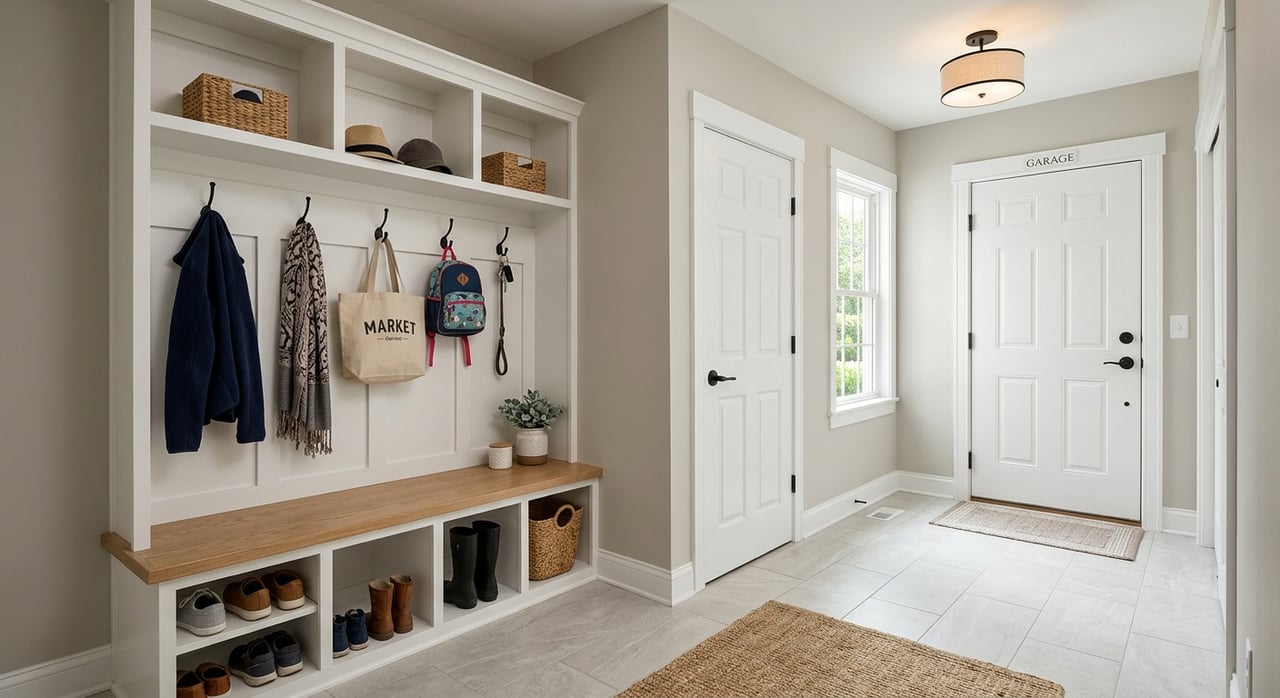
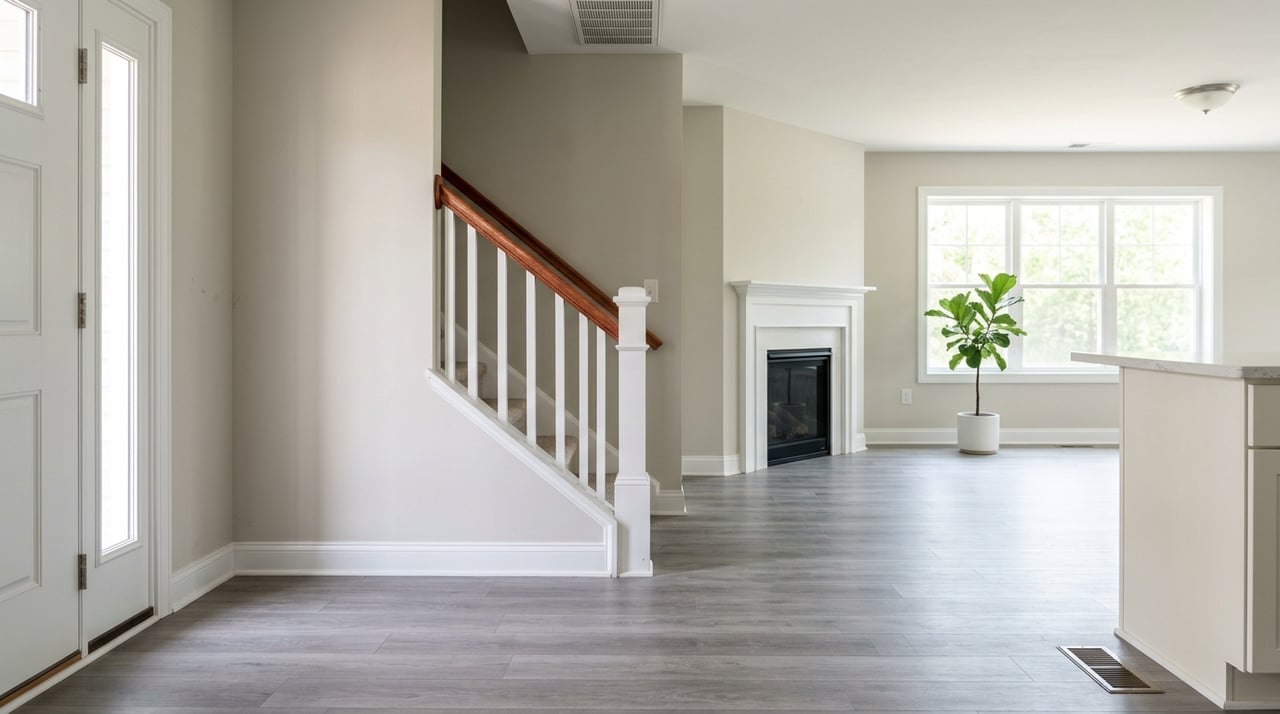
For a higher-end home, staging does not have to mean overdecorating. It often means creating clean, bright, well-proportioned spaces that photograph well and help buyers picture how the home lives day to day. Kitchens, living areas, primary suites, and outdoor spaces often deserve extra attention because they tend to shape buyer perception quickly.
Professional Photography Is Worth It
Nearly all buyers use technology as part of the home search process, according to NAR’s buyer and seller research. That means your online presentation is often the first showing. If the photos, video, and listing description fall flat, buyers may never schedule an in-person visit.
For a higher-end home in Columbia City, strong digital marketing helps you reach not only local buyers but also regional buyers who may be drawn to the area’s location, historic character, nearby lakes, and access to Fort Wayne. Columbia City’s official website highlights the city’s historic homes, brick streets downtown, diverse housing stock, available lots, and convenient location. Those lifestyle and location details can help shape how your property is positioned to the market.
Market Beyond the Immediate Neighborhood
A premium home often needs broader exposure than a standard listing. In a market where truly similar homes may be limited, your likely buyer may not live just a few streets away. They may be moving within Northeast Indiana, coming from Fort Wayne, or looking for a different pace and setting while staying connected to the region.
That is why marketing should go beyond basic placement. Your listing should tell a clear story about the home’s finishes, layout, setting, upgrades, and everyday livability. If your home offers custom features or uncommon details, those should be documented and described carefully so buyers understand what sets it apart.
Features Buyers Notice in Premium Homes
While every property is different, buyers at this price point often respond to:
- Updated kitchens and baths
- Strong curb appeal
- Quality finishes and materials
- Well-maintained major systems
- Functional layout and room flow
- Lot size, outdoor use, and privacy features
- Garages, storage, and flex spaces
- Clear documentation of improvements
The goal is not to overwhelm buyers with every detail. It is to highlight the features that support value and help the home feel worth the asking price.
Prepare Your Disclosure Early
Indiana’s seller disclosure form generally applies to sellers of one- to four-unit residential property and must be completed before an offer is accepted. The form asks about roof issues, hazardous conditions, structural or foundation problems, flood plain status, additions made without permits, zoning or covenant issues, homeowners associations, easements, and private-road access.
For higher-end homes, this step can take more time than sellers expect. Custom properties often have more improvements, more systems, and more paperwork to track down. If you have added outdoor structures, remodeled spaces, specialty systems, or other upgrades over time, it helps to gather records early.
Why Early Documentation Helps
When your paperwork is organized before the home goes live, you reduce the chance of delays later. You also help buyers feel more confident in the property. In a premium sale, confidence matters because buyers are often making larger financial decisions and paying close attention to details.
Useful items to gather may include:
- Records of major updates or remodels
- Permit information, if applicable
- Roof or mechanical service records
- HOA or covenant information, if applicable
- Easement or access details, if applicable
- Notes on special features or custom systems
What Sellers Often Get Wrong
Even in a seller’s market, premium homes still need careful strategy. A strong general market does not erase the fact that unique homes usually have a smaller buyer pool. That means mistakes can be more costly.
Common issues include:
- Pricing from emotion instead of evidence
- Using only broad neighborhood averages
- Listing before the home is fully prepared
- Skipping professional photography or video
- Failing to explain custom features clearly
- Waiting too long to gather disclosure information
The better approach is to treat the sale like a planned launch. Accurate pricing, polished presentation, and full preparation give your listing a stronger start.
Why Local, Appraisal-Informed Guidance Helps
Selling a higher-end home in Columbia City often calls for more than a standard list-and-post approach. You need pricing that reflects how premium buyers and appraisers will view the property. You also need marketing that reaches beyond the basics and presents the home with care.
That is where a consultative, valuation-driven strategy can be especially useful. A brokerage with appraisal expertise can help you separate tax assessment from market price, identify the right competitive set, and build a pricing strategy that fits the property instead of forcing it into a generic average.
When that is paired with high-quality photography, virtual tours, MLS distribution, and broad portal visibility, your home has a better chance to reach the right buyers with the right message. In a market like Columbia City, that combination can help premium sellers move forward with more clarity and less guesswork.
If you are thinking about selling a higher-end home in Columbia City, Whitley County, or the surrounding Northeast Indiana area, Morken Real Estate Services, Inc. can help you build a pricing and marketing strategy grounded in local knowledge, appraisal insight, and full-service support.
FAQs
How should you price a higher-end home in Columbia City?
- You should price it using comparable properties that truly match your home in size, condition, lot type, finish level, and location, rather than relying only on city averages or automated estimates.
Are higher-end homes in Columbia City part of a separate market segment?
- Yes. Current local listings show price points well above the city median, which means premium homes often compete in a narrower tier with fewer direct comparables.
Is staging worth it for a premium home sale in Columbia City?
- It can be. NAR’s 2025 staging report found that some agents saw offered price increases of 1% to 10%, along with shorter time on market in many cases.
Do Indiana sellers need a disclosure form before selling a home?
- Yes. Indiana’s seller disclosure form generally applies to one- to four-unit residential property and must be completed before an offer is accepted.
How do Indiana property tax caps affect a Columbia City home sale?
- Indiana’s caps can help limit the tax bill for certain property types, but they do not set market value and they do not change the local tax rate, so they should not be used as a substitute for pricing analysis.
Why do premium homes in Columbia City need stronger marketing?
- Because the buyer pool may be broader and more selective, premium listings often benefit from polished photography, video, clear feature descriptions, and wider exposure beyond the immediate neighborhood.