Wondering why some Fort Wayne homes get strong attention quickly while others sit and stall? If you are planning to sell, today’s market can reward smart preparation and realistic pricing, but it usually does not reward guesswork. The good news is that with the right strategy, you can position your home to attract serious buyers and avoid preventable hiccups later. Let’s dive in.
Fort Wayne buyers are active, but selective
Spring 2026 data point to a market that is still moving in Fort Wayne and Allen County, but buyers are paying close attention to value. Across local and regional reports, homes have been going pending in roughly the low 20s to upper 30s days, depending on the source and geography measured.
The exact numbers vary because some reports track Fort Wayne city sales, some track Allen County listings, and others use Fort Wayne MSA data. Still, the overall message is consistent: buyers are active, but pricing has to make sense.
That matters because this does not look like a market where every listing gets pushed up by a flood of offers. Late March 2026 data showed a median sale-to-list ratio below 100%, and one local report showed most sales closing under list price rather than above it. In plain terms, buyers are shopping carefully, comparing options, and reacting quickly when a home feels well-priced and well-presented.
Price from sold comps, not hope
If you want a strong sale, the right list price is not the highest number you can justify in conversation. It is the price that stands up to local comparable sales and the actual condition of your home.
Appraisal guidance helps explain why. A valuation compares your property to similar homes from the same area, with adjustments for things like size, room count, style, condition, site features, and other property characteristics. Appraisers generally rely on multiple closed comparable sales, not just active listings or automated estimates.
That distinction matters in Fort Wayne right now. A nearby home’s asking price may show what a seller wants, but a closed sale shows what a buyer actually paid and what the market supported.
Why overpricing can backfire
Overpricing often creates two problems at once. First, buyers may skip your home because it does not compare well against similar listings. Second, even if you secure an offer, the home still has to make sense when the appraisal is completed for the buyer’s financing.
If an appraisal comes in below the contract price, that lower appraisal is strong evidence that the agreed price was above market value. That can lead to renegotiation, delays, or a failed deal.
For many sellers, the better move is to price with discipline from day one. A well-supported price gives you a better chance to attract qualified buyers and move through the transaction with fewer surprises.
What a pricing strategy should include
A smart pricing strategy in Fort Wayne should look at:
- Recent sold homes in the same or similar area
- Similar size, layout, and style
- Current condition and updates
- Deferred maintenance or visible repair needs
- How long comparable homes took to sell
- How current buyer demand is behaving in your price range
This is where appraisal-grade local insight can make a real difference. When pricing reflects both the comps and the home’s condition, you are in a stronger position from the first showing through appraisal review.
Prep the rooms buyers notice most
Pricing gets buyers in the door. Presentation helps them picture living there.
National staging research from 2025 found that 83% of buyers’ agents said staging made it easier for buyers to visualize a property as a future home. The same survey found that 49% said staging reduced time on market, and 29% said staging led to a 1% to 10% increase in the dollar value offered.
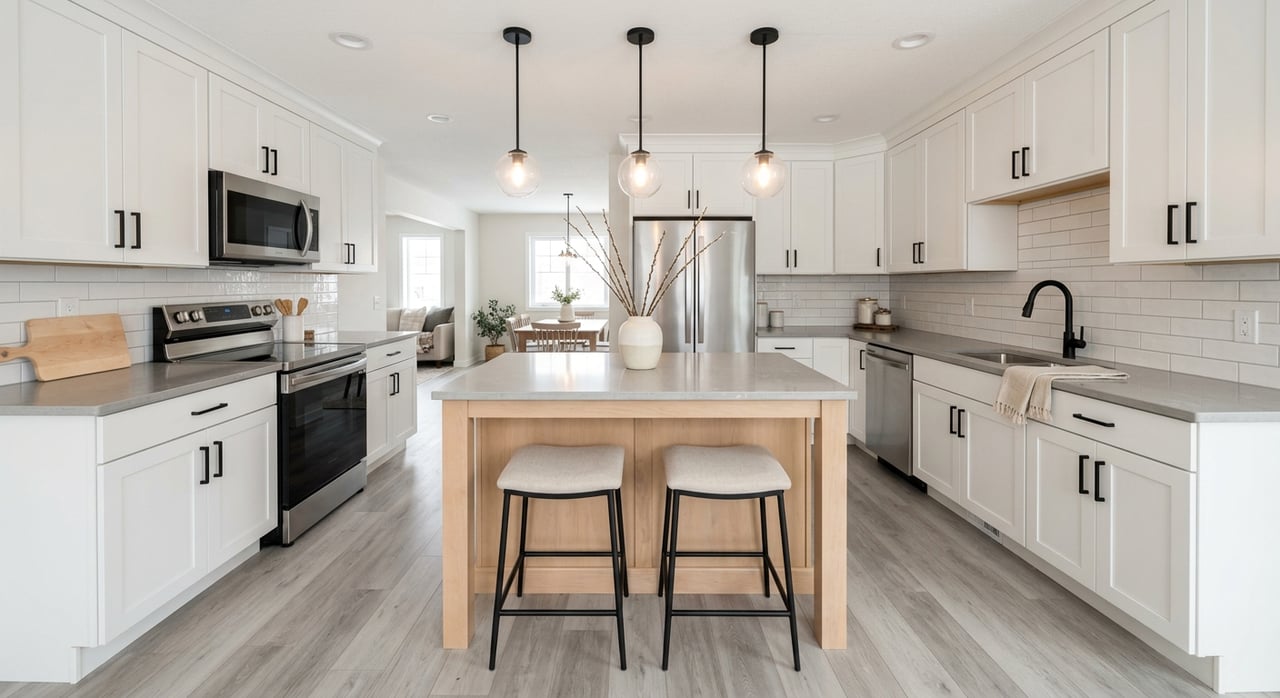
That does not mean you need to fully redesign your house. It does mean the most visible spaces should feel clean, open, bright, and easy to understand.
Start with these key rooms
The rooms most commonly staged were:
- Living room
- Primary bedroom
- Dining room
If you are short on time or budget, start there. These spaces often shape a buyer’s first impression in photos, virtual tours, and in-person showings.
Simple prep steps that matter
Before your home goes live, focus on the basics that make a home feel move-in ready:
- Remove clutter from surfaces and floors
- Open blinds and maximize natural light
- Use simple, neutral decor
- Put away overly personal items
- Arrange furniture to show flow and function
- Deep clean kitchens, baths, and main living areas
- Touch up obvious paint scuffs and wall marks
Buyers are not just evaluating square footage. They are also deciding whether the home feels cared for and easy to step into.
Fix visible problems before launch
One of the most practical ways to strengthen your listing is to deal with known issues before they become negotiation issues. This matters for buyer confidence, for inspections, and often for appraisal review too.
Appraisal guidance requires visible adverse conditions, needed repairs, and deferred maintenance to be reported. If a buyer sees obvious wear or damage, they may assume there are larger problems behind the scenes.
Indiana’s seller disclosure form points to the kinds of issues sellers should review carefully before listing. These include:
- Roof leaks or roof damage
- Moisture or water problems
- Foundation issues
- Plumbing problems
- Heating or cooling problems
- Unpermitted additions
- Zoning or code violations
- Flood concerns
- Hazardous conditions
You do not need to make every cosmetic upgrade before selling. But if a problem is visible, material, or likely to trigger concern during the transaction, it is usually smarter to address it early.
Consider a pre-list inspection
A pre-list inspection can help you uncover issues before a buyer does. That gives you more control over timing, repair decisions, and pricing strategy.
Indiana’s disclosure form notes that buyers and owners may wish to obtain professional advice or inspections. For sellers, that can make a pre-list inspection a practical step, especially if the home is older or has known maintenance concerns.
Understand Indiana disclosure requirements
Preparation is not only about cleaning and repairs. It also includes getting ahead of your disclosure responsibilities.
In Indiana, sellers of 1-4 unit residential property generally must complete and sign the seller disclosure form before an offer is accepted. Sellers also must disclose any material change in the property’s condition at or before settlement.
The form is based on your current actual knowledge and is not a warranty. Even so, completing it carefully and honestly is an important part of a smoother transaction.
Homes built before 1978
If your home was built before 1978, federal law requires additional lead-based paint disclosures before contract signing. Sellers must disclose known lead-based paint hazards, provide the EPA pamphlet, and give the buyer a 10-day opportunity for a lead inspection or risk assessment unless that opportunity is waived.
This is another reason it helps to get organized early. When you know what documents and disclosures will be needed, you can avoid last-minute stress.
Market the home buyers will see
Even the best pricing and prep work need strong presentation once your listing goes live. Buyers often form their first opinion online, which means photography, listing quality, and overall exposure matter.
Sellers consistently place high value on marketing, competitive pricing, and selling within a specific timeframe. That lines up with what works in Fort Wayne today: clear pricing, polished presentation, and broad visibility where buyers are actually looking.
A strong launch plan should include:
- Professional photography
- Accurate listing details
- Clear room-by-room presentation
- Virtual tour options when appropriate
- Broad MLS and portal distribution
Because many buyers also care about the home in the context of its surrounding area, your listing should help them understand the property as part of daily life in Fort Wayne. That can include practical neighborhood context, nearby amenities, and lifestyle convenience described in a factual, neutral way.
The best Fort Wayne selling strategy
If you want the clearest takeaway, it is this: price from sold comps, prep the spaces buyers notice first, and clear up disclosure issues before your home hits the market.
That approach fits the data we are seeing in Fort Wayne. Homes are moving, but buyers are price-sensitive. They are comparing choices, noticing condition, and expecting a listing to make sense from both a showing and appraisal standpoint.
When you combine realistic pricing with smart preparation, you give your home a better chance to attract serious buyers and hold together through closing. If you are getting ready to sell in Fort Wayne, Morken Real Estate Services, Inc. can help you build a pricing and prep strategy grounded in local market knowledge and appraisal-informed guidance.
FAQs
How should you price a home in Fort Wayne today?
- The strongest approach is to base your price on recent sold comparable homes, your property’s condition, and current buyer behavior in your price range, not just nearby asking prices or online estimates.
What rooms matter most when prepping a Fort Wayne home for sale?
- The living room, primary bedroom, and dining room are the most commonly staged rooms and are smart places to focus first if you want your home to show well in photos and in person.
Can overpricing a Fort Wayne home hurt the sale?
- Yes. Overpricing can reduce buyer interest early and may also create appraisal problems later if the contract price is not supported by comparable sales.
What should Indiana sellers disclose before accepting an offer?
- Indiana sellers of 1-4 unit residential property generally must complete and sign the seller disclosure form before an offer is accepted and must disclose material changes in condition at or before settlement.
Should you get a pre-list inspection before selling a Fort Wayne home?
- It can be a smart step, especially if your home has age or maintenance concerns, because it may reveal issues early and help you make repair, disclosure, and pricing decisions before negotiations begin.
What if your Fort Wayne home was built before 1978?
- You generally need to disclose known lead-based paint hazards before contract signing, provide the required EPA pamphlet, and give the buyer a 10-day opportunity for a lead inspection or risk assessment unless that opportunity is waived.